
every last crumb (issue #02)
no-waste baking for sustainable sweets

According to the Environmental Protection Agency (EPA), “one-third of all food in the United States goes uneaten.” We’re all guilty of contributing to this in some way, even if we don’t realize it. Expiration dates are often misunderstood, leading us to toss perfectly good food out of caution. Storage mistakes—like refrigerating certain fruits that fare better on the counter or forgetting leftovers in the back of the fridge—can quietly spoil our good intentions. And sometimes, we just can’t bring ourselves to eat the same leftovers for the third night in a row.
But waste doesn’t always look like full meals scraped into the bin. It can be smaller, more habitual: the lemon rind discarded after zesting, the potato skins peeled away without a second thought, or the tops and tails of vegetables sliced off and swept aside. These so-called scraps still hold flavor, nutrients, and potential. A zested and juiced citrus rind can still infuse sugar or vinegar. Onion ends can deepen a stock. Carrot peels and herb stems can be roasted, steeped, or blended into new life.
Too often, we treat ingredients as single-use, rather than seeing them as part of a whole ecosystem of nourishment. Embracing a no-waste mindset means reimagining what we consider “done” and recognizing that even the most overlooked bits can play a role in the story of a meal.
Some of the most well-known and delicious dishes originated from byproducts that just needed a bit of a facelift to taste good as new. Leftover rice and bits of vegetables and meat gave rise to fried rice, now a staple in many Asian cuisines; French toast and bread pudding transform stale bread into the centerpiece of the breakfast table; and preserves are aptly named for their original purpose—preservation. Lesser-known but equally delicious inventions include dammsugare—Swedish for “vacuum cleaner”—a pastry created to “clean up” leftover cake crumbs by mixing them with cocoa, butter, and liqueur, forming the mixture into logs, wrapping them in green marzipan, and dipping both ends in chocolate. Italy’s ribollita, meaning “reboiled,” revitalizes leftover bread and vegetable scraps in a cozy Tuscan soup. In the Philippines, the Spanish colonial era ushered in an influx of churches built with a mortar known as argamasa, which used millions of egg shells and whites. The leftover yolks, which would have otherwise gone to waste, instead inspired the creation of pan de San Nicolas, a tender, yolk-rich cookie, and yema, a Filipino candy made from yolks, milk, and sugar. Another Filipino dessert, nata de piña, is a chewy, fermented jelly made from pineapple juice—a byproduct of the piña (pineapple fiber) industry. Across the world, animal scraps have long been used for broths and sausages, but lesser-known dishes like Icelandic svið and Dutch balkenbrij were also created to ensure every part of the animal was put to use.
These dishes, delicious as they are, were born out of necessary resourcefulness, and while we no longer live in such dire straits, we’re far from a post-scarcity society. Given humans’ rocky history with food experimentation, it’s no wonder people are apprehensive when it comes to food scraps—especially in a world still grappling with the consequences of zoonotic spillover, as seen in the theorized animal-to-human transmission linked to the origins of COVID-19. However, reducing food waste doesn’t mean compromising safety—it means being more thoughtful, informed, and intentional in how we use what we have. Much of what gets thrown away is perfectly safe and usable: carrot tops that can be turned into pesto, stale bread that can be revived in a bake, or fruit that’s bruised but still flavorful. By learning proper storage methods, understanding expiration labels, and embracing time-tested preservation techniques, we can turn would-be waste into something delicious and sustaining. In doing so, we honor not just our ingredients, but the labor, land, and resources that brought them to our plates.
The common cooking remnants, like peels and cores, can be repurposed in multitudinous ways, and I’ll defer to the experts for methods of reducing food waste, as well as suggestions on what to do with so-called scraps. But now that we have access to more than just odds and ends, a recipe using purely egg yolks, which was once a solution to food waste, now ironically generates waste of its own, leaving behind unused shells and egg whites. Recipe testing also tends to create a unique trail of baking-specific food scraps: offcuts from leveled cakes, excess frosting, failed doughs, batches of curdled custards, or mis-measured dry ingredients. Even something as seemingly harmless as overzealous flour dusting or discarded parchment paper contributes to waste over time. In a home or test kitchen, where precision and repetition matter, these byproducts can pile up quickly, making it all the more important to think creatively about reuse, preservation, and portioning.
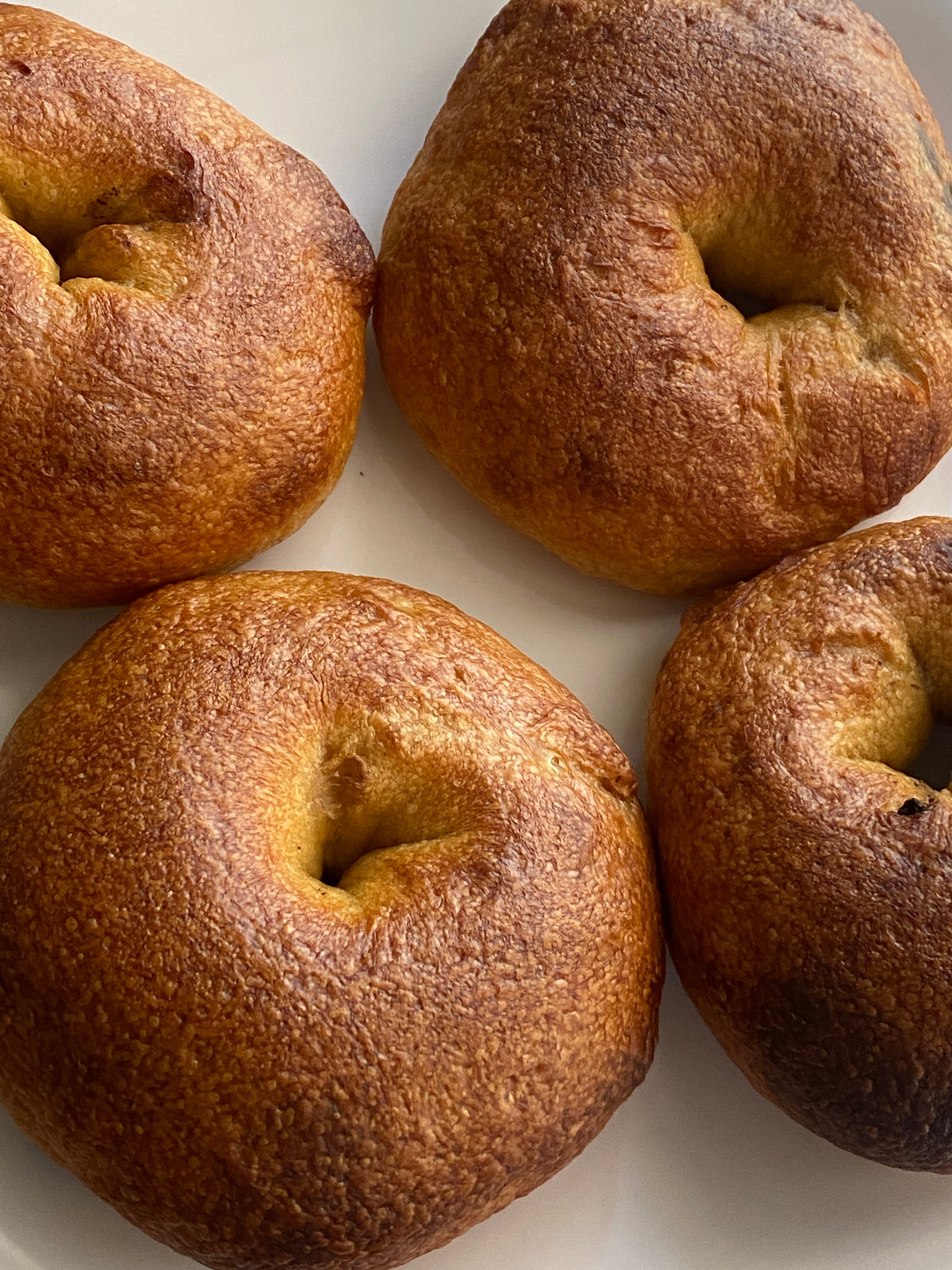
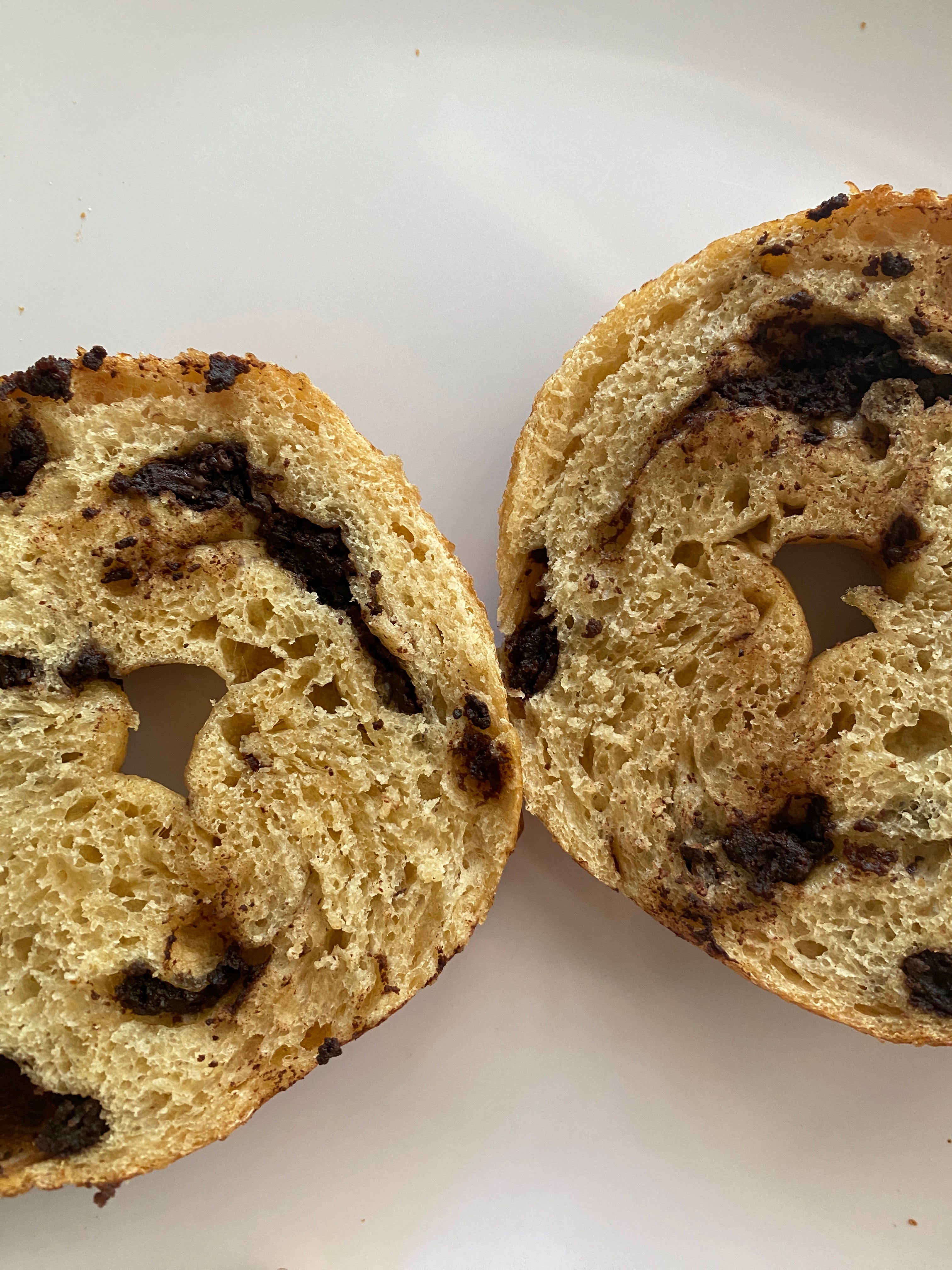
Though there’s so many bits and bobs of baking that I could never create a fully extensive list on how to use every last crumb, I can compile a little list of ideas for using up some specific ingredients, as well as ways I’ve repurposed leftover bakes:
Whole milk
My family doesn’t drink cow’s milk, but whole milk is often crucial for certain recipes; here’s some ways to use up a lot of leftovers quickly before they expire:
Custards, like crème pâtissière (use it as cake filling, in fruit tarts, or for cream puff fillings) or crème anglaise (a great finish for desserts, or the base of mousse or crème brûlée) and many other forms of custard, like the soak for french toast or bread pudding
Pastel de nata or flan pâtissier
Tangzhong-based breads, like milk bread
Enriched breads, like dinner rolls, babka, and sandwich bread
Add some acid (e.g. vinegar, lemon juice) to make homemade buttermilk, ricotta, or yogurt
Buttermilk
Pancakes, waffles, muffins…luckily, my dad loves sweet breakfasts, so we never really have an issue in the buttermilk department.
This article has a very useful list of recipes that use up buttermilk, organized by different amounts, so you can use up exactly how much you have left.
Egg whites
Any and all forms of meringue: pavlova, meringue cookies, and meringue-based buttercreams (e.g. Italian or Swiss meringue buttercream)
Angel food cake
Royal icing
Homemade marshmallows
Mousse
Soufflé
Macarons and macaroons
Choux pastry
Egg yolks
See the whole milk section; many of the custards also call for egg yolks.
Add an egg yolk or two to any baked good to add a little extra richness and tenderness! This works for brownies, cookies, cakes, bread puddings…the list goes on!
Sauces, like mayo, hollandaise, aioli, and béarnaise, or pasta sauce and even homemade salad dressings
Cure them in salt to add umami flavor to any dish
Any fruit curd
Enriched breads, such as brioche or challah
Flan, crème brûlée, crème caramel
Expired active-dry yeast
Compost
Home brewing
Natural fertilizer
Seasoning on popcorn, salads, soups, and more
Cake or cookie scraps
Cake pops
Trifles
Crumble and use them as fillings for breads, such as babka or bear claws
Dry the crumbs out in the oven and incorporate them into crumbles or use them in a graham cracker-style pie crust
Freeze it, or use it as the base for an ice cream cake
Miscellaneous baking byproducts
Grease baking pans with leftover butter wrappers
Compost egg shells
Overripe fruit makes for great pie fillings or compotes
Candy citrus peels, pickle watermelon rinds, compost apple cores…
Repurpose pie dough or puff pastry scraps as galettes, palmiers, rugelach, crackers, cheese straws, and more—or just bake them off with a little bit of cinnamon sugar or salty seasoning for a delicious snack.
Make bread pudding with any kind of bread going stale—sourdough, english muffins, burger buns, croissants…just adjust the sugar depending on the kind of bread you’re using, and if it’s a savory bread (e.g. a cheesy or garlic-y bread) try a strata or croutons!
Leftover buttercream? Freeze it, or add eggs and flour and make cookies or some other baked good; buttercream is just butter and sugar creamed together, which is the first step in many recipes.
Have a whole bunch of things going bad?
Make ice cream! Ice cream is so versatile, and there are recipes using up nearly any kind of dairy as well as some with egg yolks, if you have them. You can even crumble up and toss in any leftover bakes for a delicious mix-in, from cakes getting old to over-baked brownies to whole pies. Plus, it’s frozen, and lasts quite a while.
In an interview with Food52 on reimagining “leftovers” as simply building blocks for a new recipe, baker Dominique Ansel says, “each recipe is never just for one dessert, but the component for an infinite variety of desserts.” When you start to see every scrap’s potential for repurposing, you not only reduce waste, but you also unlock a new level of creativity in the kitchen that will make your desserts more inventive, unique, and delicious.
There’s a running joke that a single hot Cheeto or a sip of Four Loko would kill a Victorian-era child, but they were taking opium for a toothache; I think we might be the weak ones, considering that I get so paranoid drinking slightly past-date dairy that I end up with a stress stomachache anyway. Maybe it’s time we toughen up—not by reversing child labor laws or doing hard drugs for headaches, but with a little creativity, a little courage, and a lot more leftover pie crust crackers.
Food waste often starts when we treat ingredients as disposable instead of versatile, forgetting that buttercream is basically cookie dough in denial and that eggs are just culinary Swiss Army knives with shells. Reusing scraps isn’t a burden—it’s a creative challenge, like a culinary escape room where the only way out is a pie. The line between scrap and staple is often thinner than we think, and in many kitchens around the world, that line has been blurred by creativity and necessity for generations. Whether you’re baking professionally, cooking at home, or simply trying to make your groceries stretch a little further, embracing a no-waste mindset invites you to see abundance where others might see discard. It challenges us to be more intentional—not only with what we eat, but with how we value our food, our time, and our planet. Maybe we’ll still mess up a custard, or forget about the milk in the back of the fridge—but even then, the story doesn’t have to end in the trash.
Thanks for reading The Baker’s Almanac! Consider becoming a paid subscriber or making a donation on ko-fi to contribute to my flour fund, and follow my Instagram to see when new baked goods are fresh out of the oven.